


Avoiding Common Mistakes in AI Audio Creation
Working with AI audio can feel effortless at first — type a few words, press generate, and you have a melody or sound. But the truth is that getting good results takes more than just clicking a button. Many beginners fall into the same traps, and even experienced creators sometimes misuse the tools. Understanding these mistakes is the first step toward avoiding them.
One of the most common errors is being too vague in prompts. If you simply ask for “music” or “a beat,” the AI will give you something, but it will likely sound generic or unfocused. The system needs guidance, and without it, you’ll end up disappointed. Being specific — mentioning instruments, mood, tempo, or atmosphere — can make the difference between a bland track and something inspiring.
Another pitfall is overloading prompts with too many details. Just as vague prompts confuse the AI, overly complicated ones can overwhelm it. Asking for “an epic orchestral techno lo-fi jazz hybrid with rain sounds and distorted guitars” might sound fun, but the result will often be messy. The key is balance: enough detail to guide, but not so much that the AI loses clarity.
Creators also tend to forget about tempo and structure. AI tools often default to a moderate pace, so if you need something upbeat or slow, you have to say so. The same applies to structure — if you don’t hint at an intro, buildup, or climax, you’ll get a loop that feels unfinished. AI isn’t bad at structure, but it needs the nudge.
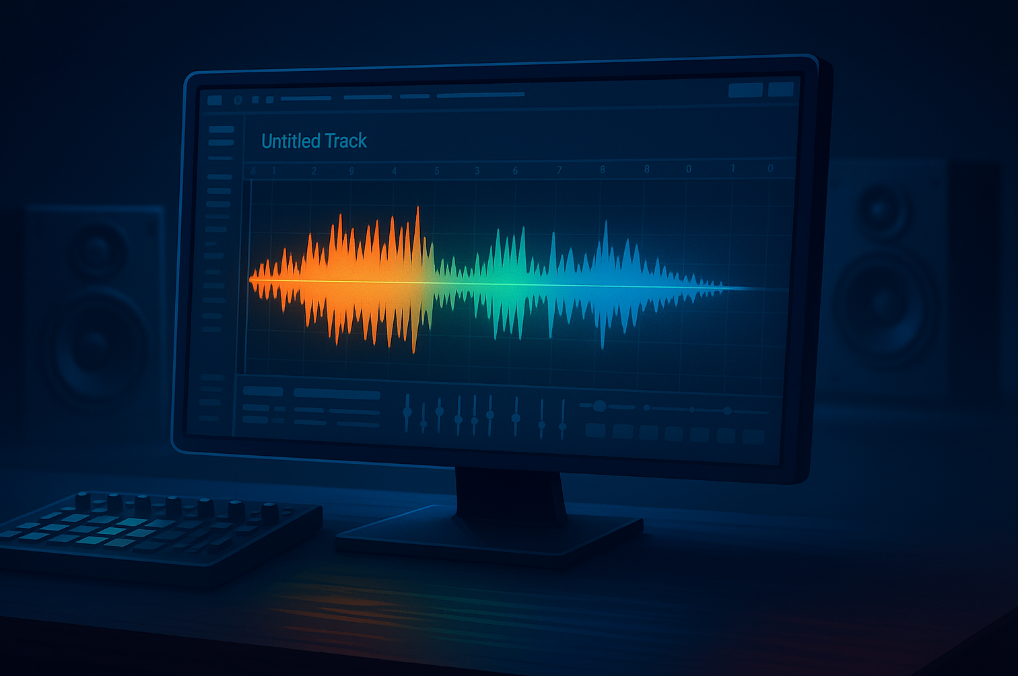
Then comes the issue of ignoring post-production. Many assume the AI’s first export is the “final track.” In reality, the raw output is just a starting point. Adding EQ, compression, layering instruments, or even light mastering can turn an average AI-generated sound into something professional. Skipping this step is like publishing a rough sketch instead of a finished painting.
Finally, there’s the mindset mistake: treating AI as a replacement instead of a collaborator. AI is powerful, but it doesn’t have your taste, context, or creative intent. If you lean on it entirely, your work risks sounding lifeless. The best results come when you guide the AI, refine its output, and add your own human touch.
In the end, avoiding these mistakes is less about technical tricks and more about perspective. Be clear but not excessive, think about tempo and structure, polish the results afterward, and remember that AI is a tool in your hands, not the other way around. If you approach it with that mindset, you’ll discover its true potential — and avoid the frustrations that trip up so many newcomers.


