


AI Voices vs. Human Voices – Can You Hear the Difference?
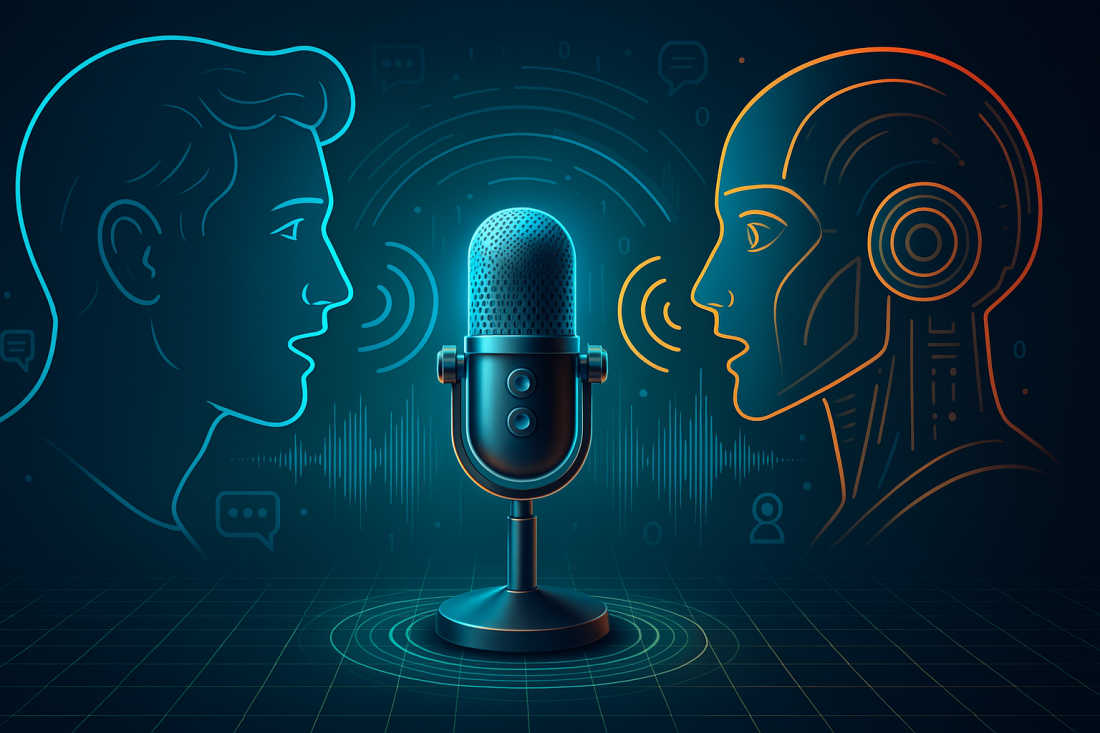
The rise of artificial intelligence in audio has made synthetic voices more realistic than ever. But how close are they to human voices, and can the average listener tell them apart? Let’s break down the similarities, differences, and what it means for creators.
The Evolution of AI Voices
Early text-to-speech systems sounded robotic, with flat tones and unnatural pacing. Today, thanks to deep learning and massive datasets, AI can mimic human speech with incredible accuracy. Modern AI voices capture intonation, rhythm, and even subtle emotional cues.
Similarities Between AI and Human Voices
-
Natural flow: Advanced models can replicate conversational speech patterns.
-
Wide variety: AI offers accents, tones, and styles similar to human diversity.
-
Consistency: Unlike humans, AI can deliver the exact same intonation and pacing every time.
Where Differences Still Exist
-
Emotional depth: AI often struggles with nuanced emotions like sarcasm, irony, or layered feelings.
-
Spontaneity: Humans improvise naturally, while AI tends to follow learned patterns.
-
Authenticity: Trained ears may pick up on slight artificial smoothness or over-perfect pacing in AI speech.
Can You Tell the Difference?
In blind listening tests, many people can no longer distinguish AI voices from human ones in short phrases or neutral contexts. However, longer dialogues, storytelling, or highly emotional delivery often reveal subtle gaps.
What This Means for Creators
-
Content creators can save time using AI voices for narration, tutorials, or demos.
-
Businesses benefit from scalable voiceovers without hiring multiple actors.
-
Artists and actors still lead when it comes to conveying rich, layered performance.
The line between AI and human voices is becoming blurrier every year. While AI can handle efficiency, scale, and accessibility, human voices remain unmatched for deep emotional storytelling. For most practical applications, the future likely lies in a hybrid world — where AI supports, but doesn’t replace, human expression.


